












ISIS: Group Report
Since its formation in 2013, ISIS has worked to sustain a self-declared caliphate in eastern Syria and western Iraq, and has begun to establish satellite operations in nine countries.
Since its formation in 2013, ISIS has sought a self-declared caliphate in eastern Syria and western Iraq. Ultimately, it seeks to unite the world under a single caliphate and establish governance over all Muslims. Despite the collapse of their territorial caliphate in 2019, ISIS maintains a strong global presence. As of 2025, the group maintains around 12,000 fighters across the globe, including Iraq and Syria, Afghanistan, and West Africa. ISIS continues to lure significant numbers of supporters through online propaganda, including videos and magazines produced in English, French, German, and a variety of other languages.
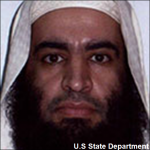
Border Chief, Immigration and Logistics Committee, Leader of operations outside of Iraq and Syria

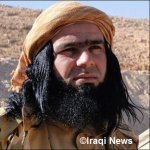
Former spokesman, emir of ISIS in Syria, and head of ISIS’s Emni unit - deceased

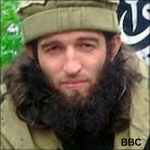
Former military commander; former emir of Latakia province, Syria; former governor of ISIS’s Anbar Province in Iraq - deceased
Since its formation in 2013, ISIS has worked to sustain a self-declared caliphate in eastern Syria and western Iraq, and has begun to establish satellite operations in nine countries.
ISIS exploits pre-existing religious and social biases against gay people in order to justify their persecution, which has inspired targeted extremist attacks such as the Pulse nightclub shooting in Orlando in 2016.
This report explores the ideological justifications for ISIS’s violent campaign to target—and ultimately eliminate—other religious communities.
Women within ISIS-held territory in Iraq and Syria are denied basic human rights, including freedom of belief, freedom from slavery, freedom of equal protection of the law, freedom of movement, and freedom to consensual marriage.
U.S.-based companies continue to respond to terrorist recruitment and incitement on a case-by-case basis if at all, actions that do little to prevent systemic abuse of their social media and messaging platforms.
Get the latest news on extremism and counter-extremism delivered to your inbox.